Learn about our physician preference medical and surgical supplies
Learn about our commitment to supporting health systems through quality medical supplies and robust supply chain strategies
When it comes to wound closure, choosing the appropriate surgical sutures is critical for patient recovery, scar minimization, and infection prevention. From selecting the best suture material and needle style to applying the proper technique, every detail matters. In this comprehensive guide, we'll explore the essential types of sutures, key suturing methods, and how to choose the right product for your practice. You'll also discover a range of premium suture products from MYCO Medical, a trusted provider of advanced surgical solutions.
In surgical procedures, precision isn’t just a preference, it’s a requirement. Every incision, no matter how small, has the potential to impact healing, infection risk, and overall recovery. One often overlooked yet critical factor in achieving precision is the sharpness of the surgical blade.
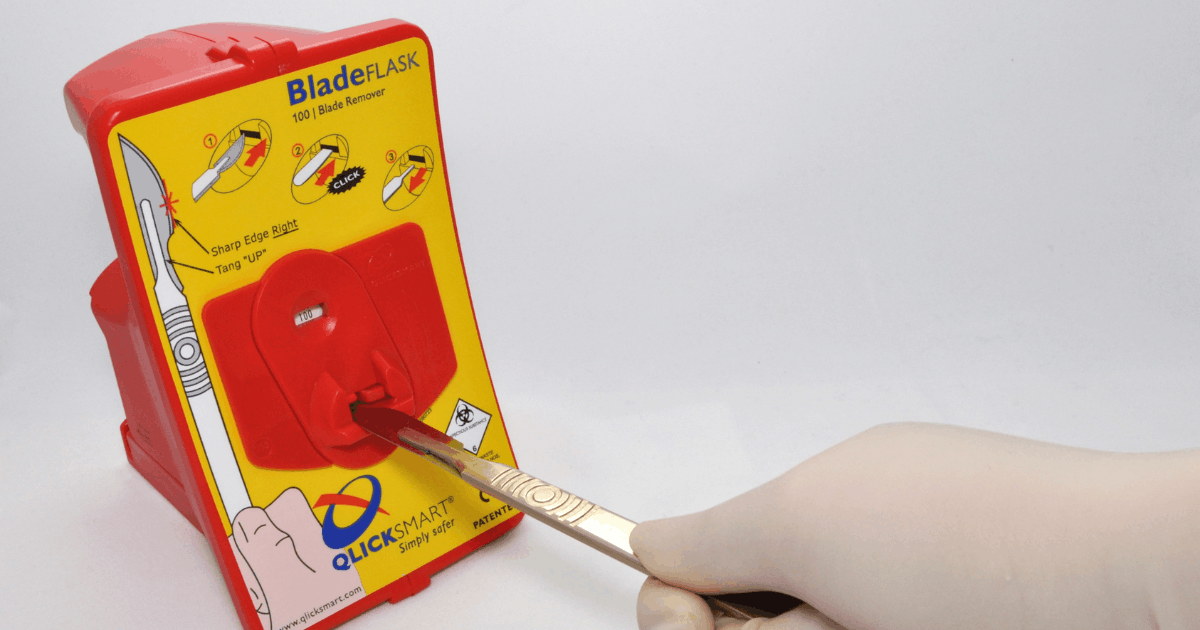
In surgical settings, precision and safety are paramount—not only for patient outcomes but also for protecting healthcare personnel. One often-overlooked hazard in the operating room (OR) is sharps injuries, particularly from scalpels. As a result, many healthcare facilities are transitioning from traditional scalpels to safety scalpels, which are designed to reduce the risk of accidental cuts and needlestick-like injuries.
Capillary blood collection is a widely used method for obtaining blood samples, particularly in pediatric, geriatric, and outpatient settings. It is minimally invasive, quick, and cost-effective, making it ideal for point-of-care testing. However, ensuring both safety and accuracy during procedures such as fingersticks or heelsticks requires careful consideration of tools, technique, and patient-specific factors (1).
In medical and surgical environments, the Occupational Safety and Health Administration (OSHA) plays a critical role in ensuring workplace safety. The Bloodborne Pathogens Standard (29 CFR 1910.1030) mandates protocols for handling sharp medical instruments, including scalpels and needles, to reduce the risk of exposure to infectious materials. Compliance with OSHA’s guidelines is not only a regulatory requirement but also an essential measure for protecting healthcare workers from preventable injuries and infections.
Selecting the right hypodermic needle is crucial for patient comfort, procedural efficiency, and safety. This guide explores the different types of hypodermic needles—including standard, safety, filter, and blunt fill needles—along with key factors like gauge, length, material, and compatibility with syringes. The right choice can enhance precision, reduce discomfort, and improve overall medical outcomes. Learn how needle selection impacts patient care and discover high-quality options from MYCO Medical.
Suture selection impacts healing and scarring. Absorbable sutures break down over time, while non-absorbable sutures provide long-term support. Choice depends on tissue type.
Ensure safe and efficient blood collection by following PPE protocols, proper hand hygiene, workspace preparation, needle handling, and sharps disposal to protect healthcare workers and patients from risks like bloodborne pathogens.
Explore the essential connection between needle size, design, and the pain experienced during injections, backed by research findings. This article will also highlight MYCO Medical’s innovative solutions aimed at enhancing patient care by making injections safer, smoother, and more comfortable.


.png)
.png)
.png)
.png)
.png)
.png)

.jpg)