Learn about our physician preference medical and surgical supplies
Learn about our commitment to supporting health systems through quality medical supplies and robust supply chain strategies
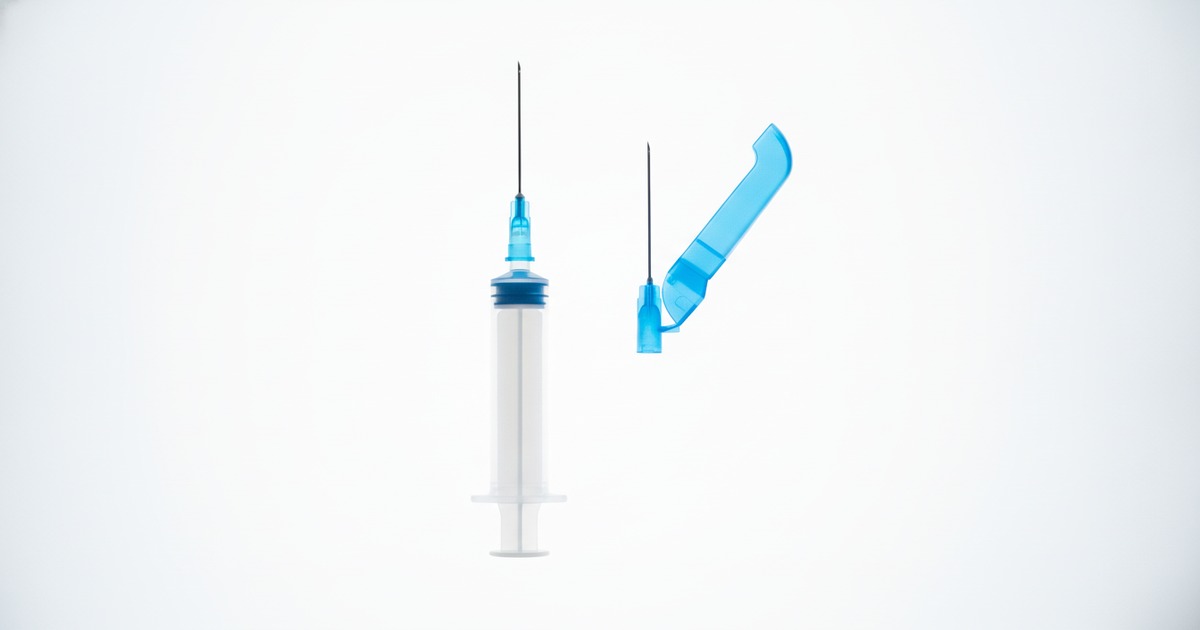
A safety syringe that "did not retract." A shield that "got in the way." A needlestick with a safety device in hand. When entries like these fill a sharps injury log, the device takes the blame. Surveillance data tell a different story: most injuries involving safety-engineered devices happen before or without activation. This guide covers how safety syringes and retractable needles work, what separates passive from active designs, and how to evaluate a device before standardizing on it.
A blood draw that will not flash, an injection that stings more than it should, a needle that "felt dull" going in. When these reports reach a clinical educator or supply manager, the needle usually gets the blame. Often the real variable is the bevel: the angled, ground surface at the tip, how it was oriented, and what it touched before it reached the patient. This guide covers what the bevel does, when to orient it up or down, and what happens to a tip on the way in.
A dark fleck at the bottom of a vial, or a speck drifting in a freshly drawn syringe, is an unsettling sight during medication preparation. In most cases it is coring: a fragment of the rubber vial stopper sheared off by the needle on the way in. Attention to it is growing. In 2025 the American Society of Retina Specialists (ASRS) published a safety report after members reported cored stoppers in drug vials, and MYCO Medical has fielded more customer questions about stopper fragments in recent months. This guide covers why it happens, how to spot it, and what to change when it does.
Most injectable doses begin the same way: a needle goes into a vial or ampule, medication is drawn into a syringe, and the preparation moves to the patient. That first step happens millions of times a day in U.S. hospitals, and in many facilities it is still performed with a conventional sharp needle, even though the drawing-up step never touches a patient. Blunt fill needles exist to remove that unnecessary sharp from the workflow. This guide covers what blunt fill needles are, when a filter version is the better choice, and how to select gauge and length for your medication preparation areas.
Few device choices in anesthesia and diagnostic medicine carry as much day-to-day consequence as the spinal needle. Tip geometry and gauge influence how easily the needle is placed, how clearly cerebrospinal fluid (CSF) confirms position, and how likely the patient is to develop a post-dural puncture headache (PDPH) — a complication that can extend a hospital stay or bring a discharged patient back through the door.
Few facilities convert to safety-engineered devices overnight. Contracts expire on different dates, departments carry different budgets, backorders arrive out of sequence, and some procedures keep conventional devices longer than others. The predictable result is a mixed fleet — conventional and safety-engineered devices in use at the same time, sometimes on the same unit and occasionally in the same supply drawer.
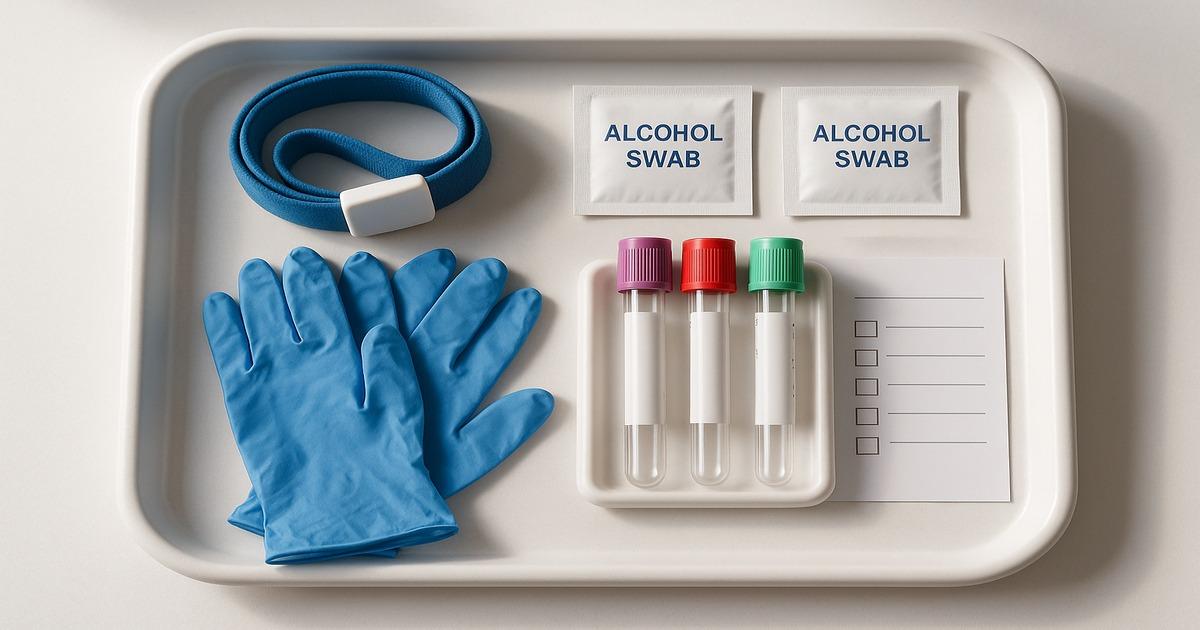
A mislabeled tube or a draw performed out of sequence rarely looks dramatic in the moment — but it can mean a rejected specimen, a redraw, or a result that quietly steers a clinical decision the wrong way. For nurses, phlebotomists, and lab staff, knowing which tube to use, in what order, and why, is one of the highest-leverage skills in the preanalytical phase.
In operating rooms and sterile processing departments, scalpels are among the most hazardous instruments to handle — not during incision, but during passing, blade removal, and disposal. According to Exposure Prevention Information Network (EPINet) data summarized by the CDC, scalpel blades account for approximately 6–8% of all sharps injuries across hospital settings — and a 2023 report from the National Institute for Occupational Safety and Health (NIOSH) found that OR sharps injuries actually increased over time, even as nonsurgical sharps injuries declined. The problem is not technology — it is training, workflow, and compliance.
Most phlebotomy training happens during orientation — a few intense days of instruction followed by months of on-the-job practice with minimal structured feedback. The result: bad habits calcify. Needle angles drift. Flashback checks get rushed. Tube order gets fuzzy under pressure.


%20(1).jpg)
.jpg)
%20(2).jpg)
.jpg)

.jpg)
.jpg)