


Press Enter to search

Explore our content library discussing our company and products, including company news, press releases, case studies, events, blogs, and more
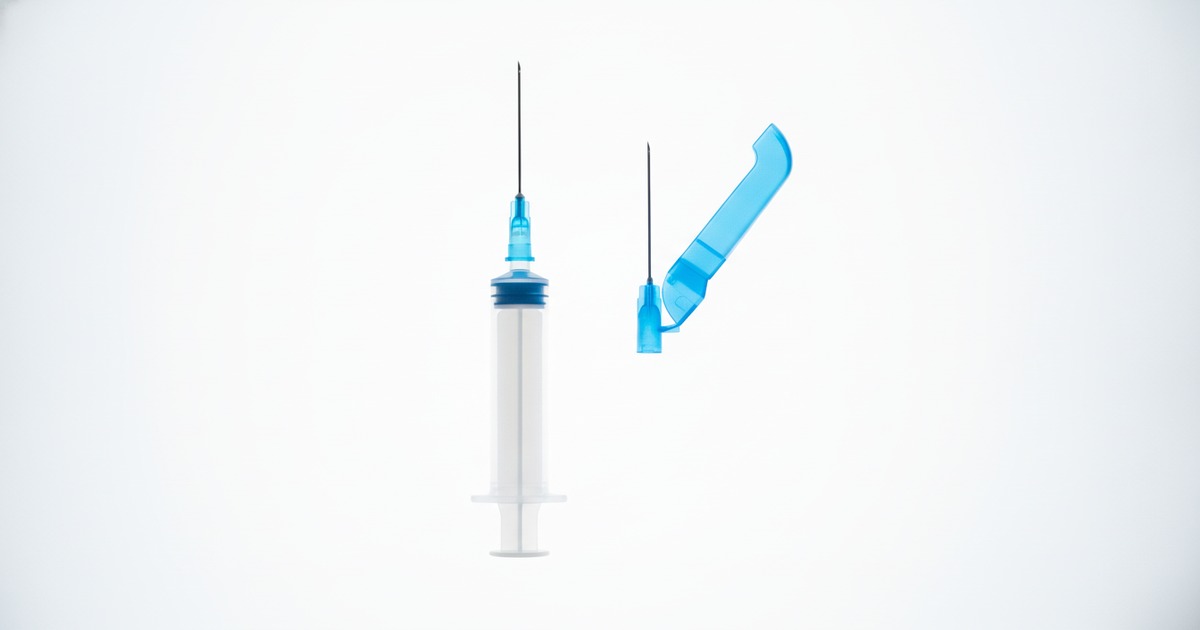
A safety syringe that "did not retract." A shield that "got in the way." A needlestick with a safety device in hand. When entries like these fill a sharps injury log, the device takes the blame. Surveillance data tell a different story: most injuries involving safety-engineered devices happen before or without activation. This guide covers how safety syringes and retractable needles work, what separates passive from active designs, and how to evaluate a device before standardizing on it.
.jpg)
A blood draw that will not flash, an injection that stings more than it should, a needle that "felt dull" going in. When these reports reach a clinical educator or supply manager, the needle usually gets the blame. Often the real variable is the bevel: the angled, ground surface at the tip, how it was oriented, and what it touched before it reached the patient. This guide covers what the bevel does, when to orient it up or down, and what happens to a tip on the way in.
.jpg)
A dark fleck at the bottom of a vial, or a speck drifting in a freshly drawn syringe, is an unsettling sight during medication preparation. In most cases it is coring: a fragment of the rubber vial stopper sheared off by the needle on the way in. Attention to it is growing. In 2025 the American Society of Retina Specialists (ASRS) published a safety report after members reported cored stoppers in drug vials, and MYCO Medical has fielded more customer questions about stopper fragments in recent months. This guide covers why it happens, how to spot it, and what to change when it does.


